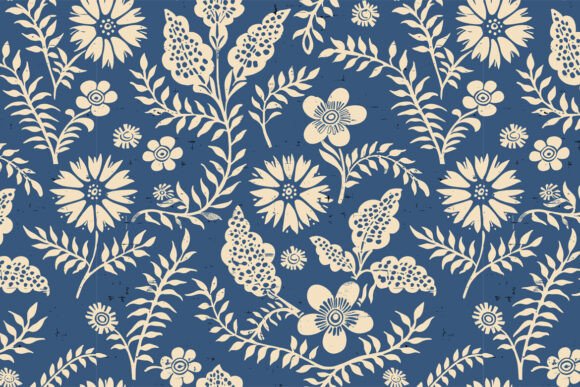
Block-printed Pattern Kalamkari Muhgal09
Block-printed Pattern Kalamkari Muhgal09 is a unique blend of traditional Indian artistry and Mughal elegance. This seamless design draws from the rich heritage of Kalamkari, a centuries-old technique that involves hand-painting or block-printing intricate patterns on fabric. The Muhgal09 style adds a touch of oriental ornamental flair, creating a fusion that's both timeless and modern.
Designed for those who appreciate the beauty of cultural fusion, this pattern offers endless possibilities for creative expression. Whether you're a textile designer, an artist, or a home decorator, the Block-printed Pattern Kalamkari Muhgal09 can elevate your projects with its detailed floral motifs and flowing lines.
Real-World Applications of Block-printed Pattern Kalamkari Muhgal09
One of the most practical uses of this pattern is in textile design. Fashion designers often incorporate such motifs into clothing, accessories, and home décor items. The seamless nature of the design makes it ideal for creating fabric prints that look cohesive and refined. For instance, a dress made with this pattern could stand out at a fashion show or be a standout piece in a boutique.
Wallpaper is another area where this pattern shines. Interior designers use it to add a touch of sophistication to living rooms, bedrooms, or even office spaces. The combination of Indian and Mughal elements creates a visually striking backdrop that feels both exotic and elegant. Imagine a bedroom with walls adorned in this pattern—each room becomes a canvas for artistic storytelling.
Digital artists also find value in this design. With high-resolution images available in EPS and JPG formats, it's easy to integrate these patterns into digital artwork, illustrations, or graphic designs. Whether you're working on a website, a mobile app, or a social media campaign, the Block-printed Pattern Kalamkari Muhgal09 can bring a unique aesthetic to your project.
Who Benefits From Using This Pattern?
Designers and artists are the primary users of this pattern, but its versatility extends to other industries as well. For example, stationery creators can use it to design notebooks, greeting cards, or packaging. The intricate details make it perfect for products that require a touch of luxury and craftsmanship.
Home decor enthusiasts will also find this pattern useful. From cushion covers to table linens, the design can be adapted to various household items. It's a great way to infuse a space with cultural richness without overwhelming the senses.
Businesses looking to create branded merchandise might consider using this pattern. A company that sells handmade or artisanal products could incorporate it into their branding materials, giving their offerings a distinct and memorable look.
Considerations Before Using Block-printed Pattern Kalamkari Muhgal09
Before applying this pattern, it's important to consider the context and audience. While the design is visually appealing, it may not suit all styles or settings. For example, a minimalist interior might not benefit from the complexity of this pattern. Understanding the target audience helps in determining whether this design aligns with their preferences.
Another factor to consider is the technical aspect. High-resolution files ensure that the pattern looks sharp and clear when printed or displayed digitally. Designers should verify that the format they choose (EPS or JPG) meets their project requirements. Additionally, transparent backgrounds allow for greater flexibility when integrating the design into different layouts.
It's also worth noting that while the pattern is inspired by traditional art forms, it's a modern interpretation. Users should be aware of the cultural significance behind the motifs and ensure that their use respects the original intent and meaning.
Strengths and Limitations of the Pattern
The strength of the Block-printed Pattern Kalamkari Muhgal09 lies in its adaptability. Its seamless design allows for easy repetition and scaling, making it suitable for a wide range of applications. The hand-drawn elements add a personal touch, distinguishing it from mass-produced patterns.
However, there are some limitations to consider. The intricate details may not translate well to certain printing methods, especially if the resolution is not high enough. In such cases, the design could lose some of its clarity and impact. Users should also be mindful of copyright and licensing when using the pattern for commercial purposes.
Despite these considerations, the pattern remains a valuable resource for those looking to add a touch of cultural sophistication to their work. Its blend of tradition and modernity makes it a versatile choice for a variety of creative endeavors.