Celtic Knotwork Intertwined Design: Timeless Elegance for Creative Projects
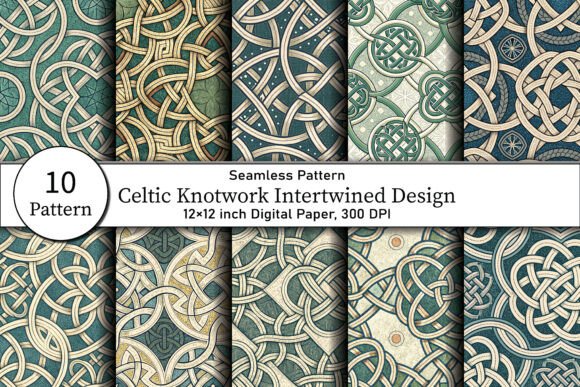
Celtic knotwork intertwined design is a rich and intricate form of artistic expression that has roots in ancient Celtic cultures. These designs are characterized by their continuous, flowing lines that interlace without beginning or end, symbolizing eternity and the interconnectedness of life. The complexity and symmetry of these patterns have made them a popular choice for decorative elements in various creative fields.
Unlike many modern graphic styles that rely on bold colors and sharp angles, Celtic knotwork offers a more subtle and refined aesthetic. Its timeless appeal lies in its ability to blend seamlessly with both traditional and contemporary design themes. This makes it particularly appealing for projects that require a touch of sophistication and historical depth.
Understanding the Distinctiveness of Celtic Knotwork Intertwined Design
Celtic knotwork is distinguished by its seamless, unbroken lines that create a sense of movement and continuity. Each pattern is carefully crafted to ensure that no two strands cross at the same point, resulting in a visually balanced composition. This level of detail requires a high degree of skill and precision, which is why many artists and designers turn to digital resources like the Luxury Ornamental Digital Paper Collection for professional-quality results.
Compared to other ornamental designs, such as floral motifs or geometric patterns, Celtic knotwork offers a unique visual language that can convey a sense of heritage and cultural significance. While floral designs often emphasize growth and beauty, and geometric patterns focus on structure and symmetry, Celtic knots evoke a deeper narrative rooted in history and symbolism.
Comparing Celtic Knotwork with Alternative Design Styles
When considering design options for creative projects, it's important to evaluate how different styles align with specific goals. For instance, if a project requires a modern, minimalist look, Celtic knotwork may not be the best fit. In such cases, simpler patterns or abstract designs might provide a more effective solution.
On the other hand, for projects that aim to convey elegance, tradition, or a connection to the past, Celtic knotwork can be an ideal choice. It works well in applications such as wedding invitations, luxury branding, and decorative packaging, where the goal is to create a sense of refinement and timelessness.
Another alternative to consider is the use of digital paper collections that feature different types of ornamental designs. While some may offer similar aesthetics, the key difference lies in the level of detail and the cultural context embedded in each design. Celtic knotwork, for example, carries a distinct historical weight that sets it apart from more generic patterns.
Strengths and Limitations of Celtic Knotwork Intertwined Design
One of the main strengths of Celtic knotwork is its versatility. It can be adapted to a wide range of formats, including print and digital media, making it suitable for various creative applications. The intricate nature of the designs also allows for customization, enabling artists to modify patterns to suit specific project requirements.
However, there are limitations to consider. The complexity of Celtic knotwork can sometimes make it challenging to integrate into modern design trends that favor simplicity and clarity. Additionally, the detailed nature of these patterns may not always be appropriate for all types of projects, especially those that require a more straightforward visual approach.
For example, a digital marketing campaign that relies on clear, impactful visuals may benefit more from a clean, minimalist design rather than an intricate Celtic knot. In such cases, the decision would hinge on the intended audience and the overall message being conveyed.
When to Choose Celtic Knotwork Intertwined Design
Celtic knotwork intertwined design is most effective when the goal is to add a layer of sophistication and cultural depth to a project. It is particularly well-suited for luxury branding, where the visual identity needs to reflect a sense of heritage and exclusivity. Wedding invitations, for instance, often incorporate Celtic knotwork to evoke a sense of tradition and timeless beauty.
In addition, this design style is ideal for projects that require a strong visual statement. The intricate patterns can serve as a focal point, drawing attention and adding a sense of richness to the overall composition. This makes it a valuable resource for scrapbooking, stationery design, and decorative backgrounds.
It’s also worth noting that the availability of high-resolution digital files, such as those included in the Luxury Ornamental Digital Paper Collection, ensures that the designs maintain their quality across different mediums. This is especially important for professional-grade work where image clarity and resolution are critical factors.
Exploring Alternatives to Celtic Knotwork Intertwined Design
While Celtic knotwork offers a unique aesthetic, there are several alternatives that may be more suitable depending on the project’s requirements. For instance, if the goal is to create a more contemporary look, abstract or modular designs could be a better option. These styles often allow for greater flexibility and adaptability in different contexts.
Another alternative is the use of nature-inspired patterns, such as leaf motifs or wave designs, which can provide a fresh and organic feel. These styles are particularly effective for projects that aim to connect with natural themes or eco-friendly branding.
Ultimately, the choice between Celtic knotwork and other design styles depends on the specific needs of the project. By understanding the strengths and limitations of each option, creators can make informed decisions that align with their creative vision and practical requirements.
Conclusion: Making an Informed Choice with Celtic Knotwork
Celtic knotwork intertwined design continues to be a powerful tool for creative professionals seeking to elevate their work with a touch of elegance and historical significance. Its intricate patterns and timeless appeal make it a valuable resource for a wide range of applications, from luxury branding to decorative art.
However, it’s important to consider the broader design landscape and evaluate how different styles can meet the unique demands of each project. Whether choosing Celtic knotwork or exploring alternative options, the key is to select a design that enhances the overall message and visual impact of the work.