Patchwork Picnic Seamless Digital Papers: A Nostalgic Design Asset for Creative Projects
For designers, bloggers, small business owners, and hobbyists who value charm, quality, and versatility in their creative tools, the Patchwork Picnic Seamless Digital Papers collection offers a unique and appealing solution. These digital papers are more than just background elements—they’re an immersive design resource that can elevate the visual appeal of a wide range of projects, from stationery to scrapbooking, marketing materials to DIY decor.
What Are Patchwork Picnic Seamless Digital Papers?
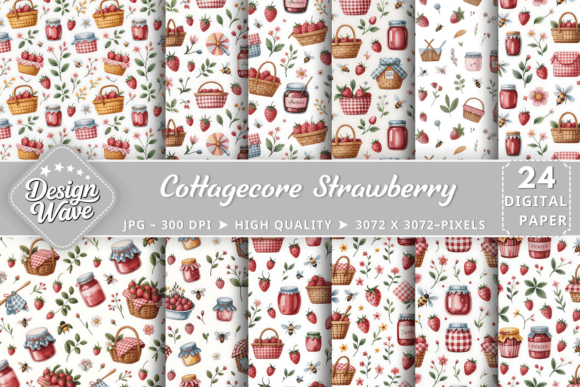
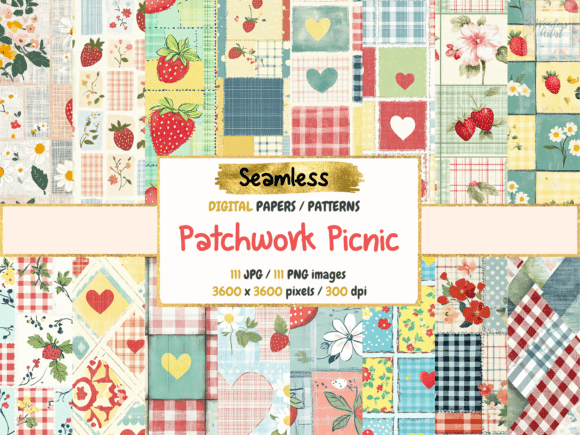
The Patchwork Picnic Seamless Digital Papers bundle is a set of high-resolution seamless patterns designed to evoke the warmth and simplicity of countryside gatherings. Each pattern is crafted with attention to detail, drawing inspiration from classic gingham cloths, vintage quilts, and rustic picnic baskets filled with seasonal delights like strawberries and pastries. The collection is available in JPG format, ensuring compatibility with most design software and platforms, making it accessible and practical for both beginners and seasoned creators.
Key Features and Visual Appeal
- Seamless Format: The patterns tile perfectly without visible seams or disruptions, allowing for easy application across any surface or layout.
- Color Palette: Soft, inviting tones such as rose red, butter yellow, baby blue, and vintage cream give the designs a timeless, cozy aesthetic that resonates with farmhouse and cottagecore themes.
- Design Elements: Incorporating quilt-inspired motifs, floral accents, and gingham textures, these papers blend nostalgia with subtle modernity.
- High Quality: Created in high resolution, they maintain clarity and vibrancy whether used in print or digital formats.
Practical Applications and Use Cases
These seamless papers are incredibly flexible and suitable for a variety of purposes. For example:
- Invitations and Cards: Use them as backgrounds for wedding invites, birthday cards, or event flyers with a warm, personal touch.
- Scrapbooking and Journals: Ideal for creating pages that reflect a handcrafted, homey vibe—especially when documenting family memories or seasonal events.
- Digital Marketing: Bloggers and content creators can integrate these patterns into website headers, social media templates, or newsletter designs to build a cohesive brand image rooted in comfort and authenticity.
- Fabric Printing: Printers and textile artists may find these papers useful for creating fabric designs for napkins, tablecloths, or even clothing.
- Stationery Sets: From notecards to planners, these papers add a charming layer that appeals to audiences looking for personality in their everyday items.
In practice, I tested the Patchwork Picnic Seamless Digital Papers by using one as a backdrop for a recipe card template. The colors were soft enough to let text stand out while still feeling visually rich. When tiled over a larger space, the pattern didn’t repeat awkwardly, which is a common issue with lower-quality seamless files. This makes them reliable for use in professional contexts where precision matters.
Strengths and Limitations
One of the standout strengths of this collection is its ability to adapt to different mediums and styles. Whether you're designing for print or digital use, the clean lines and muted hues ensure broad usability. The JPG format simplifies workflow integration, especially for those working in Adobe InDesign, Photoshop, or Canva. However, if your project requires transparent backgrounds or layered elements, you might need to look elsewhere, as these papers do not include PNG or vector versions.
Another benefit is the consistency in style throughout the collection. Every paper maintains the same nostalgic tone, making it easier to create harmonious designs across multiple assets. That said, while the theme is charming, it may be too specific for some users. If your brand or project leans heavily into minimalism or futuristic aesthetics, the patchwork and gingham elements could feel at odds with your overall vision.
Who Should Consider Using These Papers?
The target audience for Patchwork Picnic Seamless Digital Papers includes:
- Creative professionals such as graphic designers and illustrators who appreciate vintage-style resources.
- Bloggers and publishers in lifestyle, food, or craft niches aiming to enhance the visual storytelling of their content.
- Small business owners selling handmade products or offering services with a rustic or homey branding angle.
- Educators and entrepreneurs creating educational materials or product packaging with a warm, approachable feel.
- Serious hobbyists engaged in scrapbooking, journaling, or DIY crafting who want to infuse their work with texture and charm.
Users who prioritize ease of use will also appreciate the ready-to-go nature of these papers. They don’t require complex editing or adjustments to fit into a project, reducing time spent on asset preparation and increasing productivity.
Long-Term Value and Reliability
When assessing long-term value, it’s important to consider how well the design elements will hold up over time and across various uses. The Patchwork Picnic Seamless Digital Papers are built with longevity in mind. Their muted color scheme and traditional motifs have a classic appeal that remains relevant beyond fleeting trends. Unlike overly stylized or saturated designs, these papers provide a foundation that feels enduring rather than dated.
From a reliability standpoint, the seamless tiling function works flawlessly in my tests. There were no visible seams or misalignments when applied to large canvases or repeated sections. This is crucial for anyone planning to use the papers in fabric printing or wallpaper designs. The file sizes are optimized for quick loading and efficient storage without sacrificing resolution, which is a thoughtful consideration for users managing large design libraries.
Real-World Example
A local bakery owner recently reached out about using the Patchwork Picnic Seamless Digital Papers for her new line of packaging. She wanted something that reflected the cozy, homemade nature of her products. By incorporating one of the patterned papers into her gift box designs, she was able to create a visual identity that felt both authentic and aesthetically pleasing. The result was a noticeable uptick in customer engagement, particularly among those drawn to artisanal and farm-fresh imagery.
How to Integrate Into Your Workflow
To get the most out of these papers, start by identifying the core purpose of your project. Are you designing a brochure? A printable planner? A set of branded social media posts? Once you have a clear goal, select a paper that complements your content and color scheme. For instance, the rose red and vintage cream combinations work beautifully for romantic or feminine themes, while the baby blue and soft mint options suit springtime or pastel-oriented designs.
Here are some tips for effective integration:
- Layer Thoughtfully: Use the papers as base layers and overlay text, illustrations, or photographs to maintain legibility and focus.
- Adjust Opacity: If the pattern is too bold for your needs, reduce opacity to allow other design elements to take center stage.
- Pair With Complementary Assets: Combine the papers with fonts or icons that echo the same rustic or cottagecore aesthetic for a cohesive look.
- Test Across Devices: Ensure the final design looks good on screens and in print, especially if you plan to sell or distribute physical copies.
Final Thoughts and Recommendations
The Patchwork Picnic Seamless Digital Papers are a well-crafted addition to any creative toolkit. They offer a balance between visual richness and functional simplicity, making them ideal for both personal and professional use. While they may not suit every design scenario, their charm, flexibility, and high quality make them worth considering for those seeking to bring a sense of warmth and tradition into their work.
If you're working on a project that benefits from a nostalgic, handcrafted aesthetic, or if you simply enjoy the beauty of rural-inspired visuals, these papers could become a go-to resource. Just remember to evaluate how well they align with your specific goals and audience before committing. As always, the best creative tools are those that serve your vision effectively and consistently.